Guardrail
MASH-compliant guardrail systems installed by DOT-approved crews across 13 states. From W-beam highway guardrail to bridge rail and impact attenuators, Ideal Fencing Corp delivers crash-tested roadside safety infrastructure on schedule and to specification. With Adarand Constructors bringing 40+ years of CDOT-approved guardrail expertise in Colorado and RailCo LLC providing specification-driven guardrail installation across Idaho and the Northwest, we maintain local crews, equipment yards, and material inventory for full regional dispatch — no matter where your project is.
Our Guardrail Services
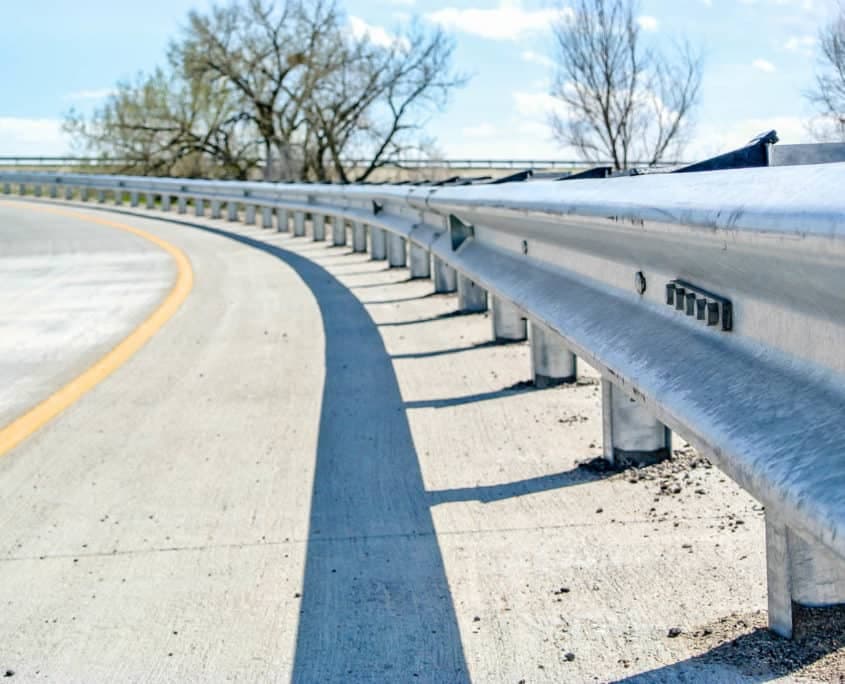
W-Beam Guardrail
MASH and NCHRP 350 compliant W-beam guardrail for highways, interchanges, and roadside hazard protection.
Learn more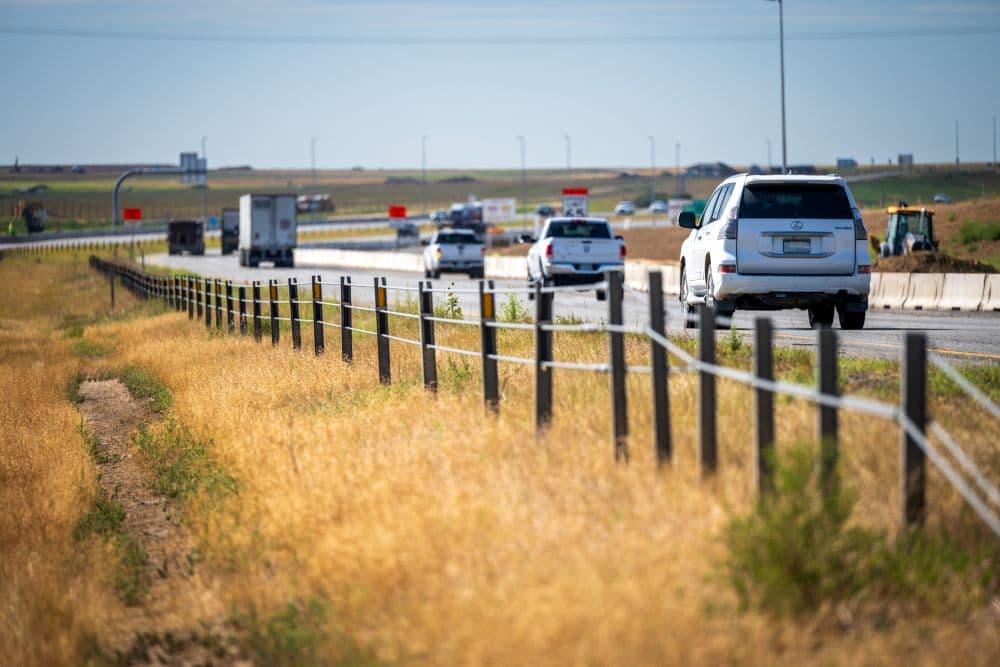
High-Tension Cable Barrier
Median cable barrier systems for divided highways that prevent cross-median crashes at a fraction of the cost of rigid barrier systems.
Learn more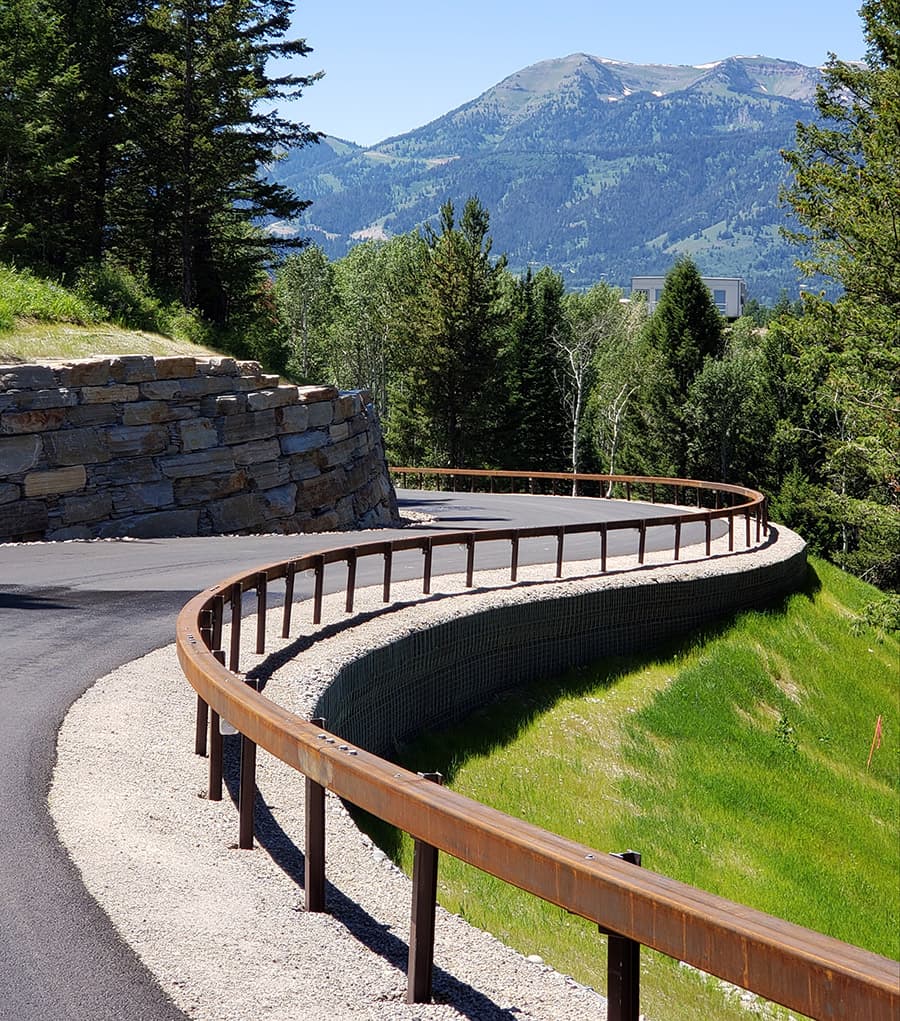
Box Beam Guardrail
Heavy-duty box beam guardrail for bridge approaches, high-risk curves, and locations requiring increased structural capacity.
Learn more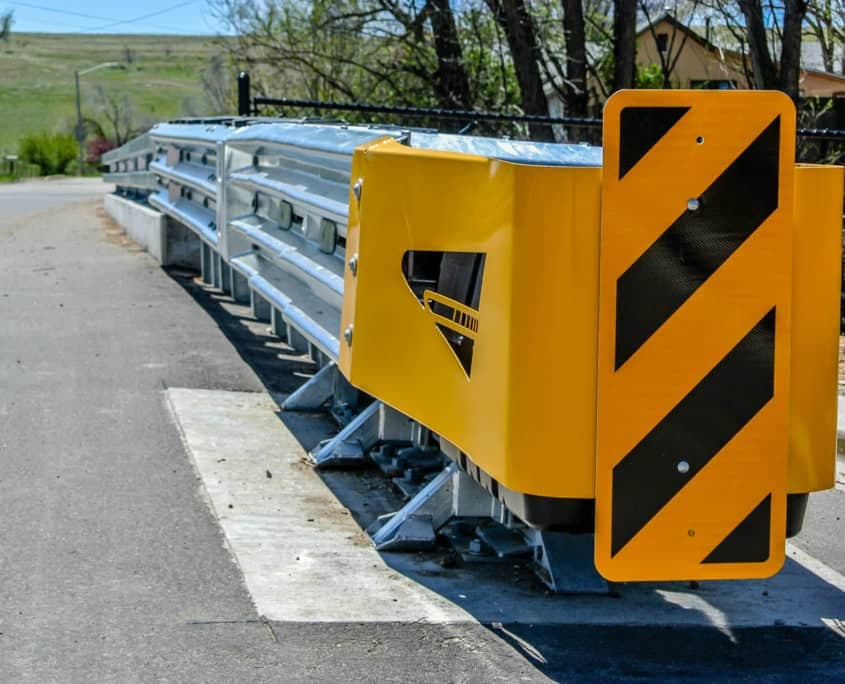
Impact Attenuators
MASH-tested crash cushions, sand barrels, and water-filled attenuators for highway gore areas, bridge piers, and fixed hazards.
Learn more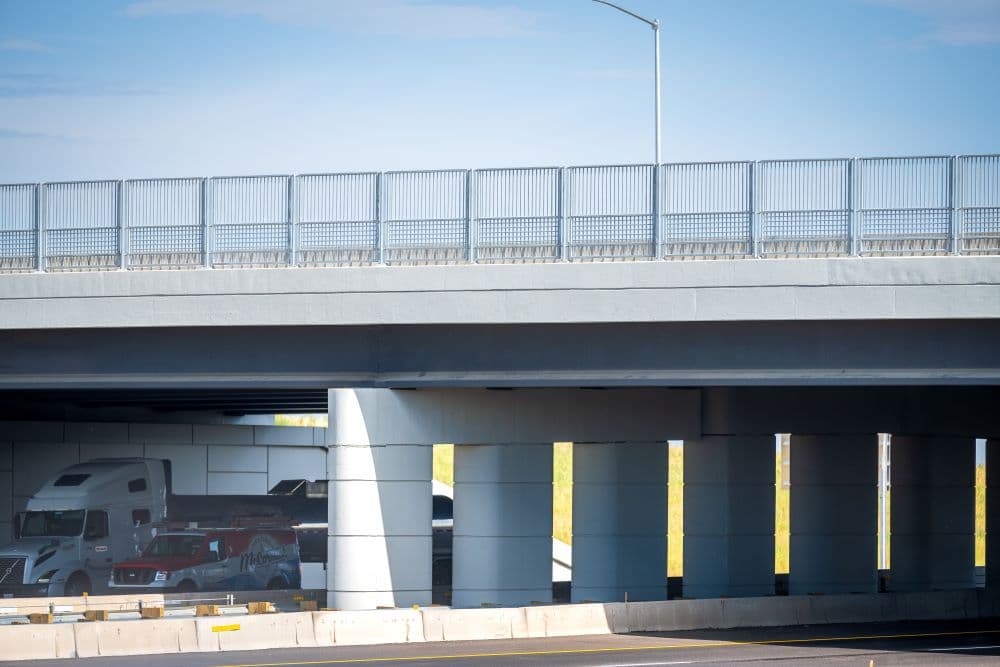
Bridge Rail
Concrete and steel bridge railing systems, retrofit upgrades, and bridge-to-guardrail transitions for DOT bridge projects.
Learn moreHow We Work
Consultation
We review project plans, DOT specifications, and site conditions. Our team provides unit pricing aligned with DOT bid item formats for transparent comparison.
Custom Design
Our engineering team verifies material certifications, designs end terminal configurations, and produces guardrail-to-bridge rail transition details per state DOT standards.
Professional Installation
Company-owned post drivers and rail setting equipment. 800-4,000 feet per day production rates with complete as-built documentation for DOT acceptance.
Industries We Serve
States We Serve
Kansas
Kansas Department of Transportation
Guardrail in Kansas →Washington
Washington State Department of Transportation
Guardrail in Washington →Idaho
Idaho Transportation Department
Guardrail in Idaho →Utah
Utah Department of Transportation
Guardrail in Utah →New Mexico
New Mexico Department of Transportation
Guardrail in New Mexico →Colorado
Colorado Department of Transportation
Guardrail in Colorado →Ready to Start Your Project?
Get a free, no-obligation quote from our team of commercial fencing and guardrail experts.
Frequently Asked Questions
Request a Free Quote
We'll review your project and respond within 2 business hours.